
Common Health Issues in Pets and How to Prevent Them

Pets are more than companions. They are family members. Ensuring their health and well-being requires attention, knowledge, and proactive care. Just like humans, pets are susceptible to various health issues. Early detection and prevention can make a significant difference in their quality of life. By understanding common illnesses, practicing good care routines, and seeking veterinary guidance, pet owners can help their animals live longer, healthier lives. This article explores the most common health problems in pets and practical ways to prevent them.
Obesity in Pets
Obesity is one of the most prevalent health issues in pets today. Overfeeding, lack of exercise, and high-calorie treats contribute to weight gain. Obesity can lead to diabetes, joint problems, and heart disease. Preventing obesity requires portion control, regular exercise, and a balanced diet. Owners should monitor their pet’s weight and consult veterinarians for proper feeding guidelines. Keeping pets active and healthy ensures a longer, happier life.
Dental Problems
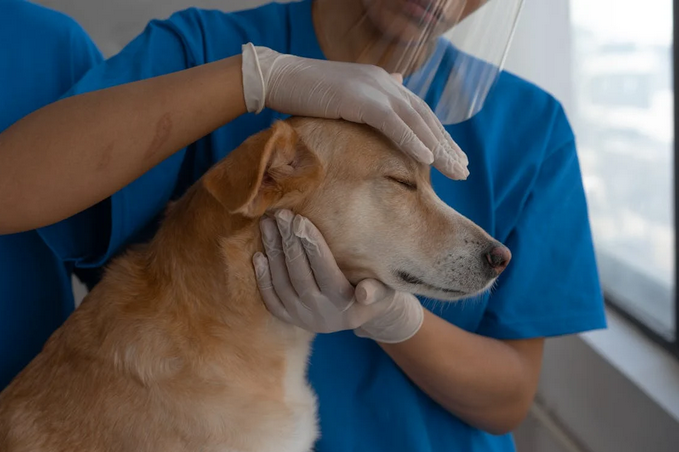
Dental health is often overlooked but vital for pets. Plaque and tartar buildup can cause gum disease, tooth loss, and infections. Oral health problems may also affect internal organs if bacteria enter the bloodstream. Regular teeth brushing, dental chews, and annual veterinary checkups can prevent dental disease. Paying attention to oral care provides pets with comfort, proper nutrition, and overall wellness.
Parasites and Infections
Fleas, ticks, and intestinal worms are common in both cats and dogs. These parasites can cause itching, irritation, anemia, and other health complications. Regular parasite prevention treatments, proper hygiene, and routine veterinary examinations are key. Vaccinations and preventative medications help protect pets from dangerous infections and diseases. Keeping a clean environment and monitoring for signs of parasites reduces health risks.
Skin Conditions
Pets often suffer from allergies, rashes, and infections that affect their skin. Causes include poor nutrition, environmental factors, and underlying health issues. Symptoms may include excessive scratching, hair loss, or redness. Preventive measures include proper grooming, balanced diets, and avoiding allergens when possible. Regular inspections and early veterinary intervention can prevent minor skin issues from becoming serious conditions.
Ear Infections
Ear infections are particularly common in dogs with floppy ears, but they can affect all pets. Symptoms include scratching, head shaking, redness, and discharge. Ear infections are often caused by bacteria, yeast, or mites. Cleaning ears regularly, keeping them dry, and monitoring for early signs can help prevent infections. Prompt treatment ensures pets remain comfortable and reduces the risk of chronic problems.
Digestive Issues

Digestive problems like vomiting, diarrhea, and constipation are frequent in pets. Poor diet, sudden food changes, or ingestion of foreign objects can trigger these issues. Preventive care includes feeding high-quality food, maintaining a consistent diet, and avoiding hazardous items. Hydration and regular exercise also support digestive health. Monitoring pets closely and consulting a veterinarian for recurring problems is essential.
Joint and Mobility Problems
As pets age, joint problems such as arthritis become more common. Larger breeds are particularly susceptible. Stiffness, limping, and reluctance to move are early warning signs. Preventive strategies include maintaining a healthy weight, providing joint supplements, and encouraging gentle exercise. Regular veterinary checkups can detect issues early and allow interventions that improve mobility and comfort.
Routine Checkups and Vaccinations
Regular veterinary visits are fundamental to preventive care. Checkups allow early detection of illnesses and ensure vaccinations are up to date. Vaccinations protect pets from contagious diseases, some of which can be fatal. Routine screenings, blood tests, and physical exams help maintain overall health. Consistent veterinary care provides peace of mind and ensures pets receive the utmost attention for their well-being.
Maintaining pet health requires a proactive approach. From obesity and dental problems to parasites, skin conditions, and mobility issues, many common health problems can be prevented or managed with proper care. Balanced nutrition, regular exercise, routine checkups, vaccinations, and attention to hygiene are key elements of responsible pet ownership. By being vigilant and proactive, pet owners can enjoy years of companionship with their furry friends while ensuring they live healthy, happy lives. Prevention is always better than cure, and thoughtful care ensures pets thrive physically and emotionally.…


 The last way to help keep your pup safe is to practice recall training. Recall training means that you can call your dog at any time, and they will come back to you, even if they are distracted or far away. This is an important skill that all dogs should learn, as it can prevent them from getting lost while outdoors. Start by practicing in a safe space free from distractions, then gradually move to more challenging environments. Reward your dog each time they come back to you, and practice regularly until the recall is reliable. With enough practice, your pup will be able to respond even in difficult situations, like when another dog passes by or when there’s a lot of noise around.